
Snowy Owl Habitat: Range, Climate, Nesting and Survival
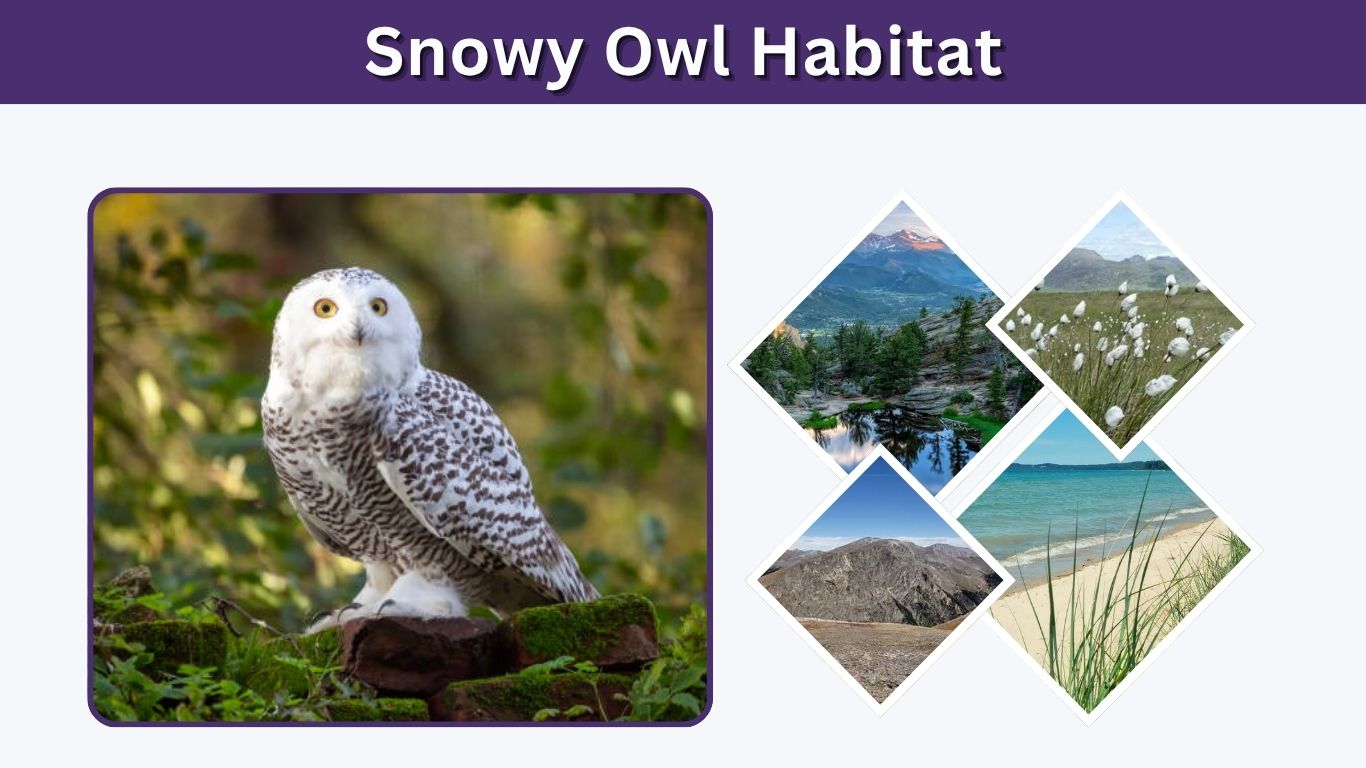
The snowy owl (Bubo scandiacus) lives primarily in the open Arctic tundra, where low vegetation and wide views make it easier to detect lemmings and … Read More
The snowy owl (Bubo scandiacus) lives primarily in the open Arctic tundra, where low vegetation and wide views make it easier to detect lemmings and … Read More
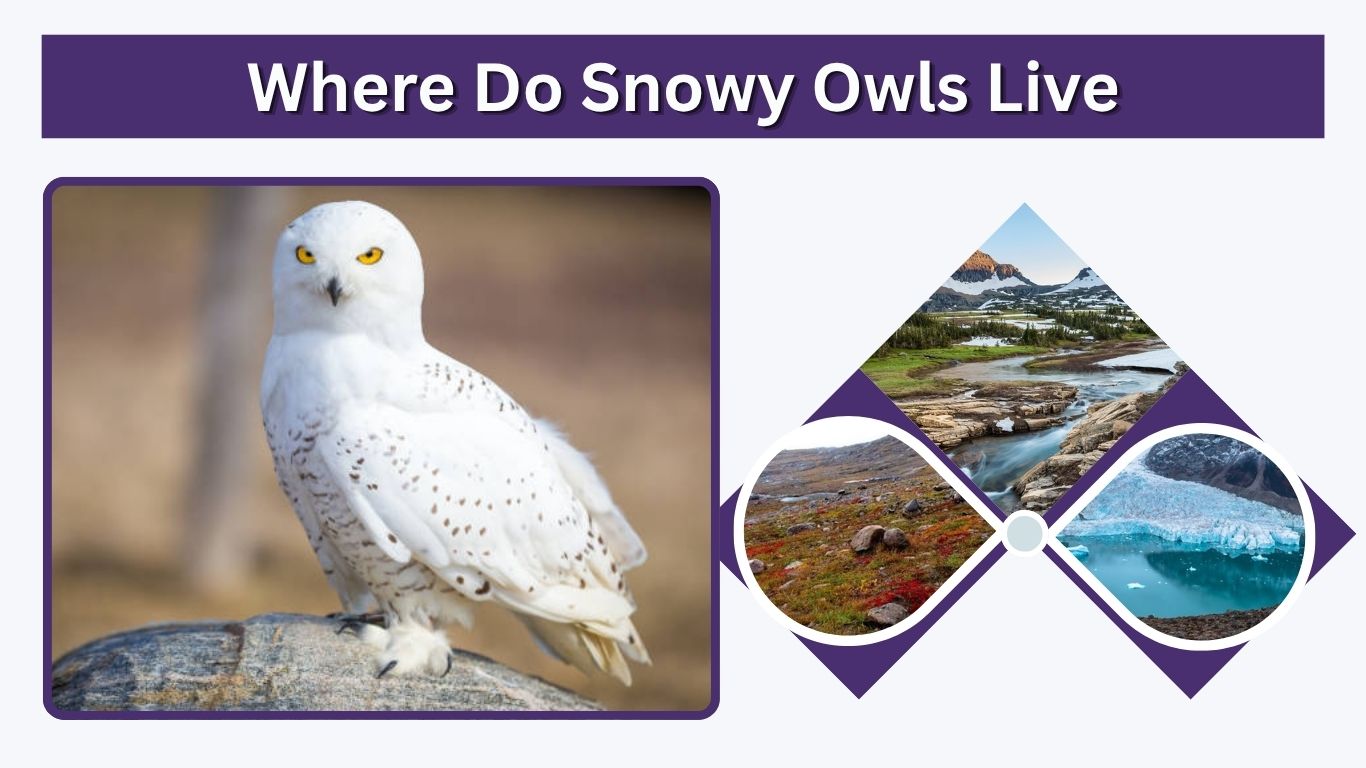
Snowy owls live mainly in the Arctic tundra across North America, Greenland, Europe, and Asia. These large white owls prefer open, treeless landscapes where they … Read More
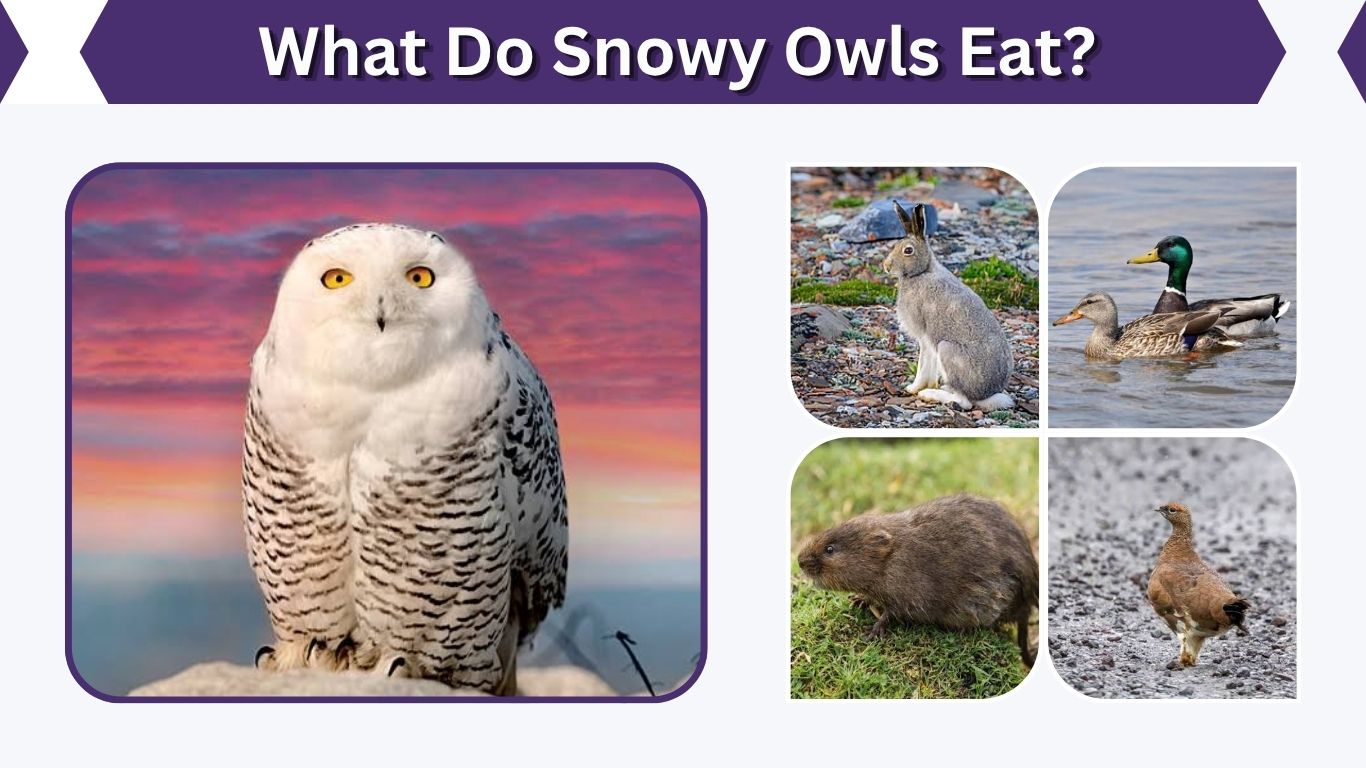
Snowy owls are powerful Arctic predators that primarily eat small mammals, especially lemmings and voles. However, their diet changes with prey availability, season, and location. … Read More
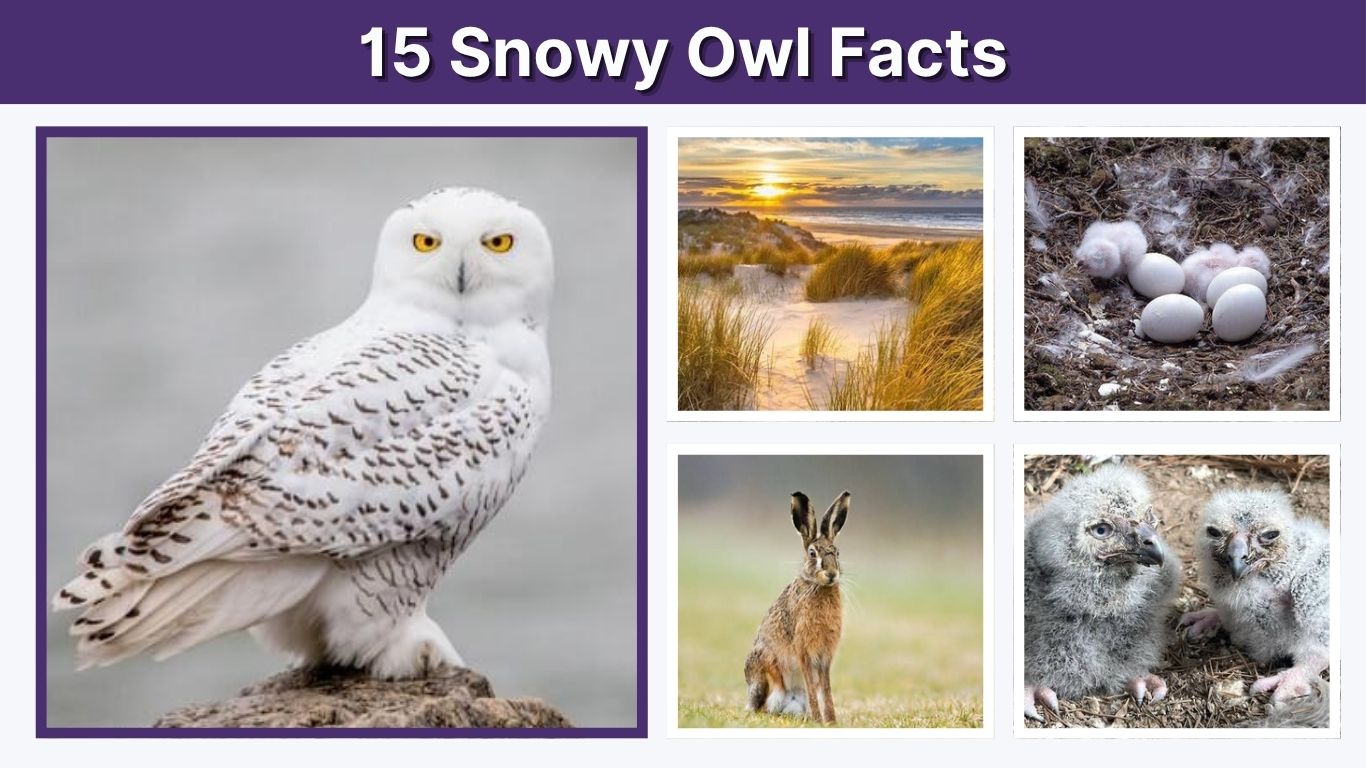
The snowy owl (Bubo scandiacus) is one of the Arctic’s most recognizable birds, famous for its white plumage, yellow eyes, and powerful hunting skills. Unlike … Read More
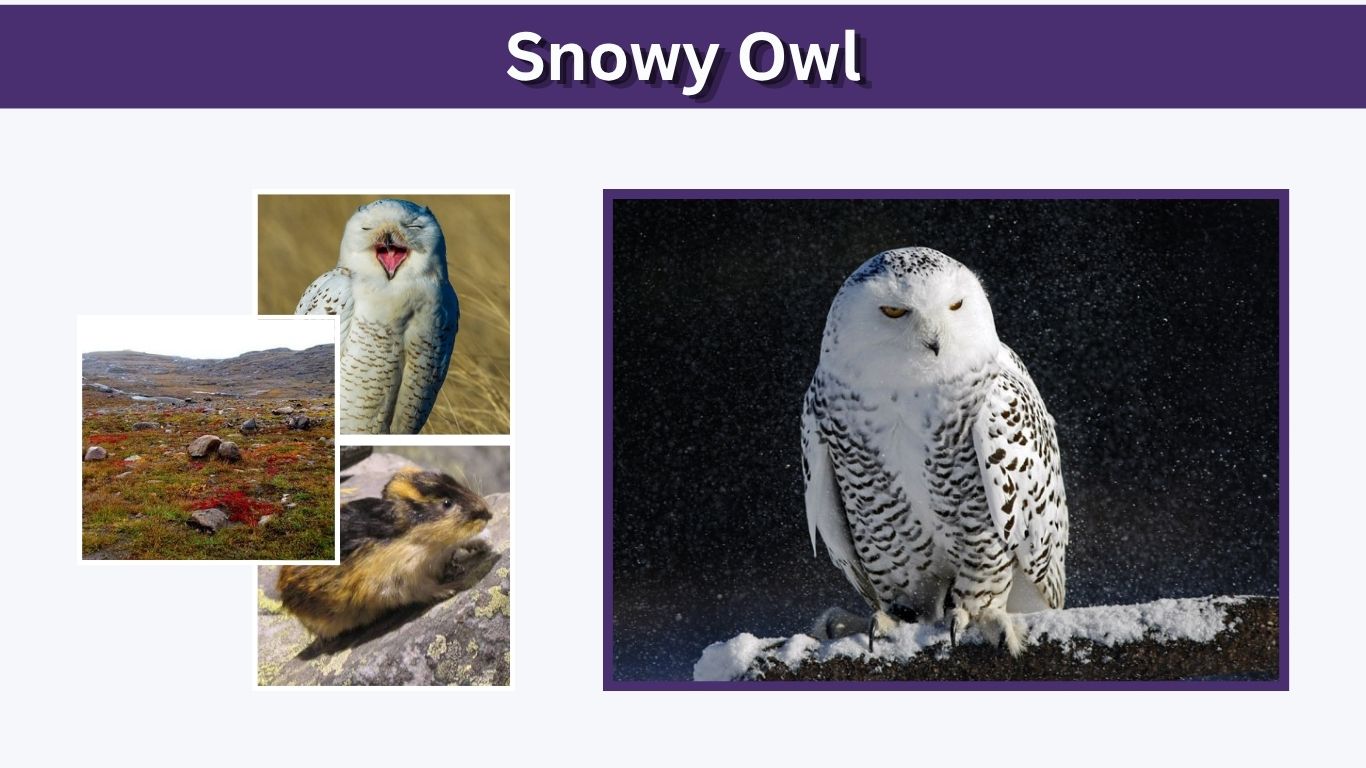
The snowy owl (Bubo scandiacus) is a large Arctic owl famous for its white plumage, powerful flight, and ability to survive extremely cold environments. Adult … Read More
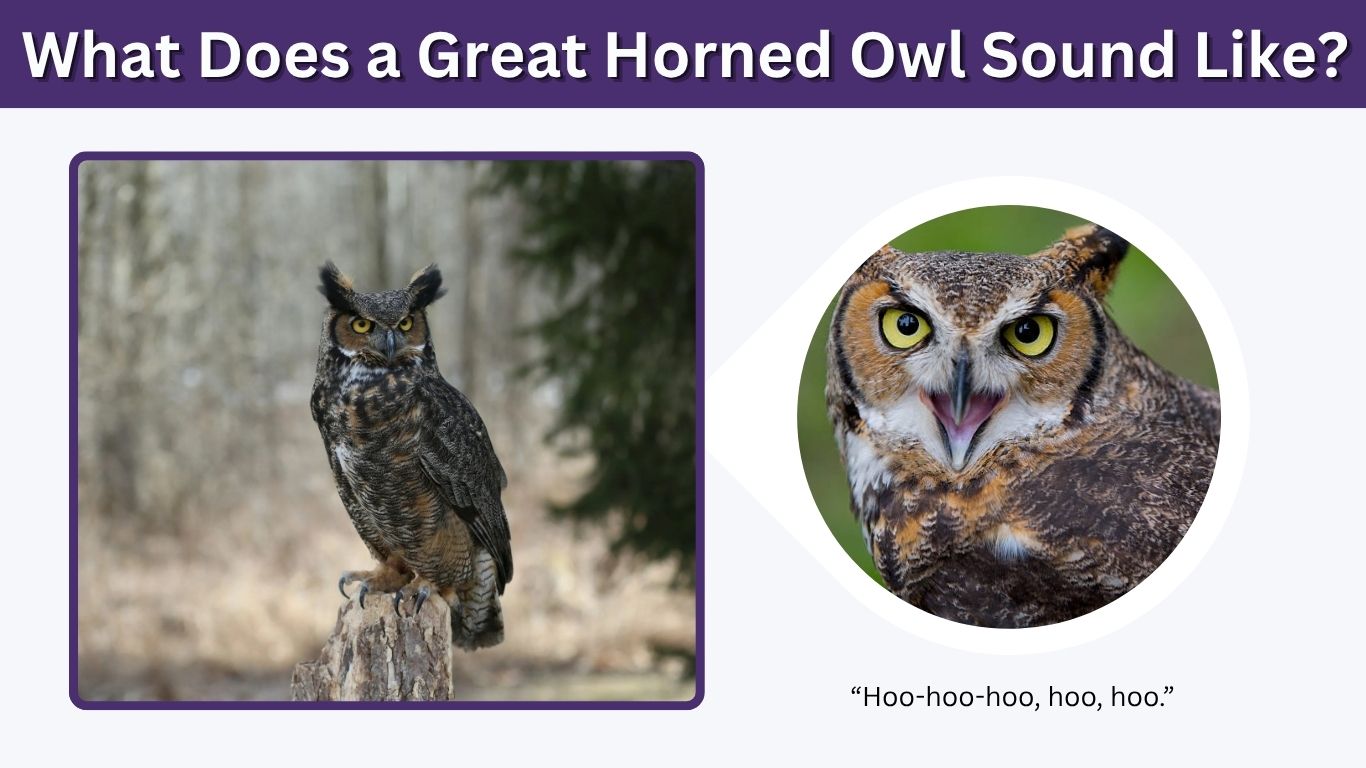
The great horned owl (Bubo virginianus) is famous for its deep, powerful hooting, especially after sunset and during the night. Its classic call consists of … Read More
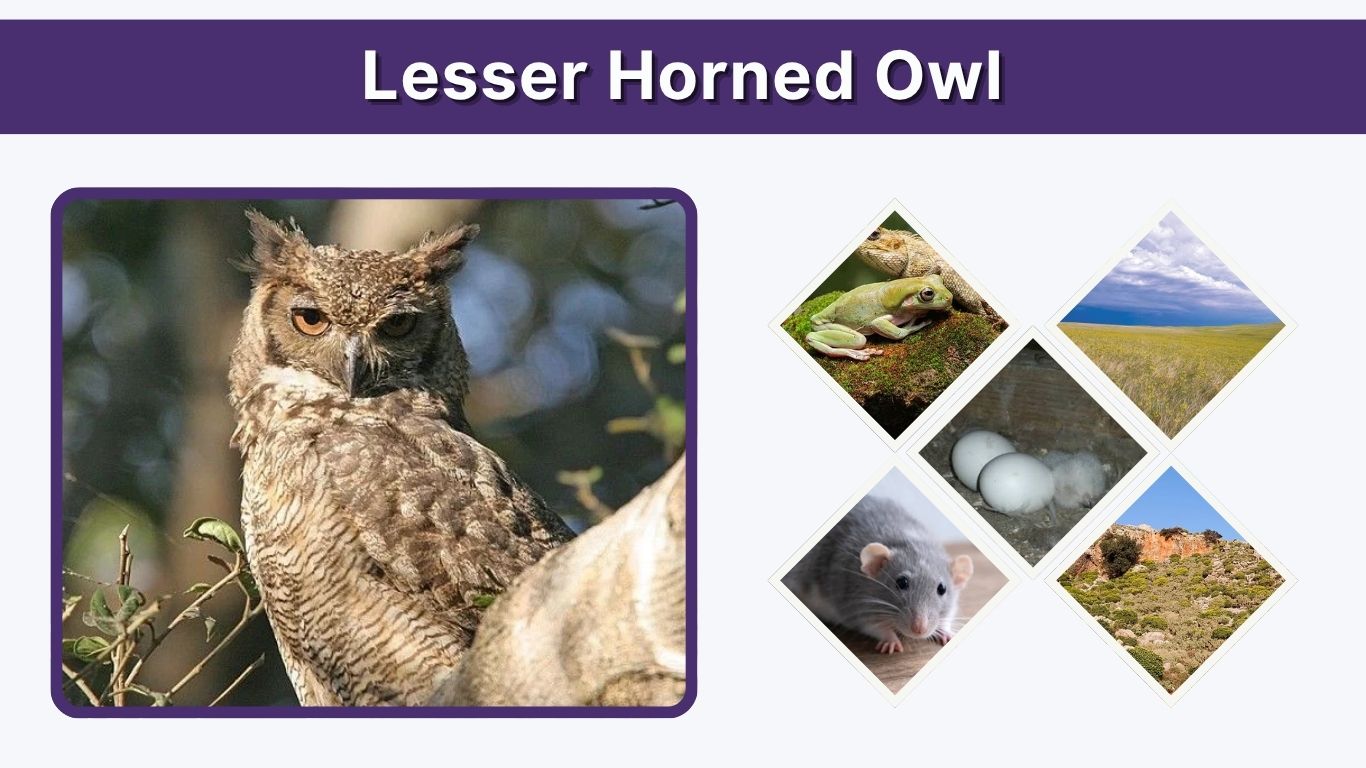
The lesser horned owl is a powerful nocturnal bird of prey native to South America. Also known as the Magellanic horned owl, this striking species … Read More
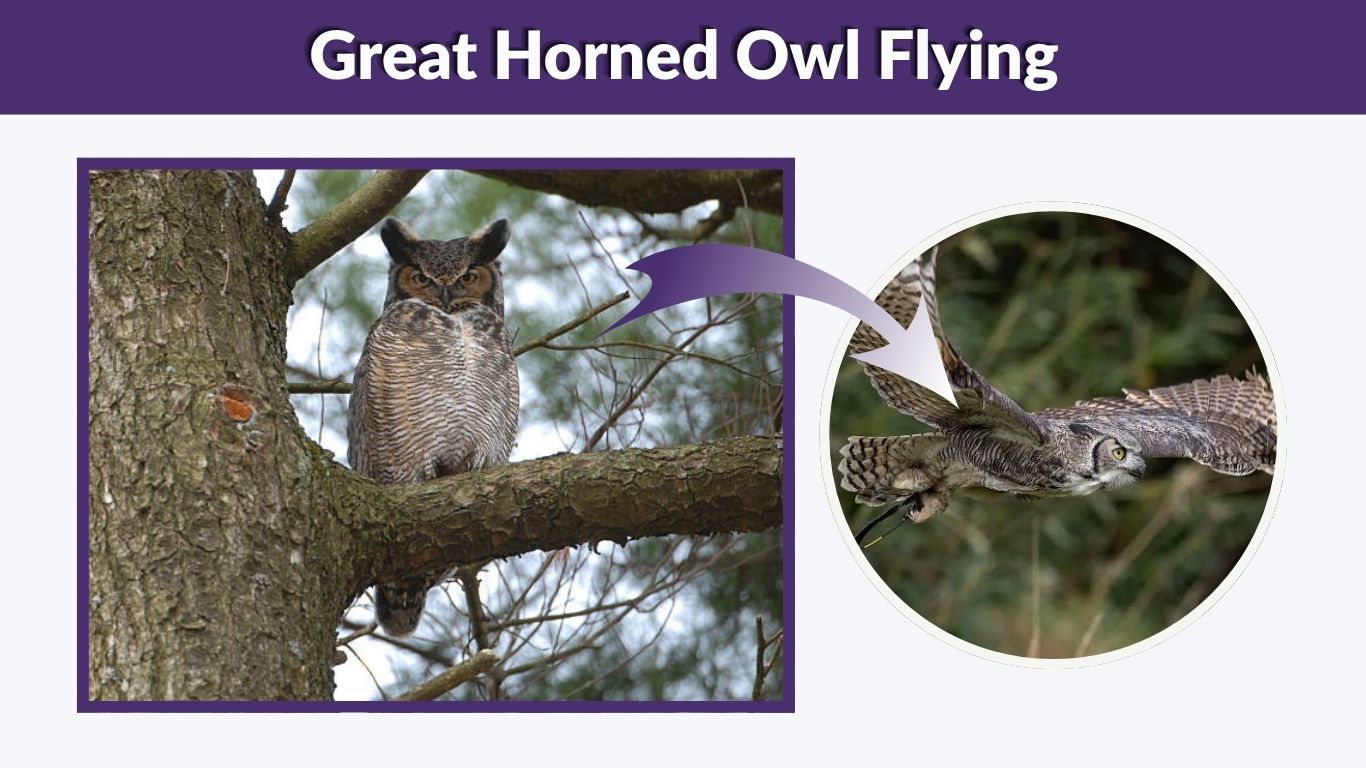
A great horned owl flying through the night is an impressive sight. With broad wings, powerful muscles, and specially adapted feathers, this large owl can … Read More
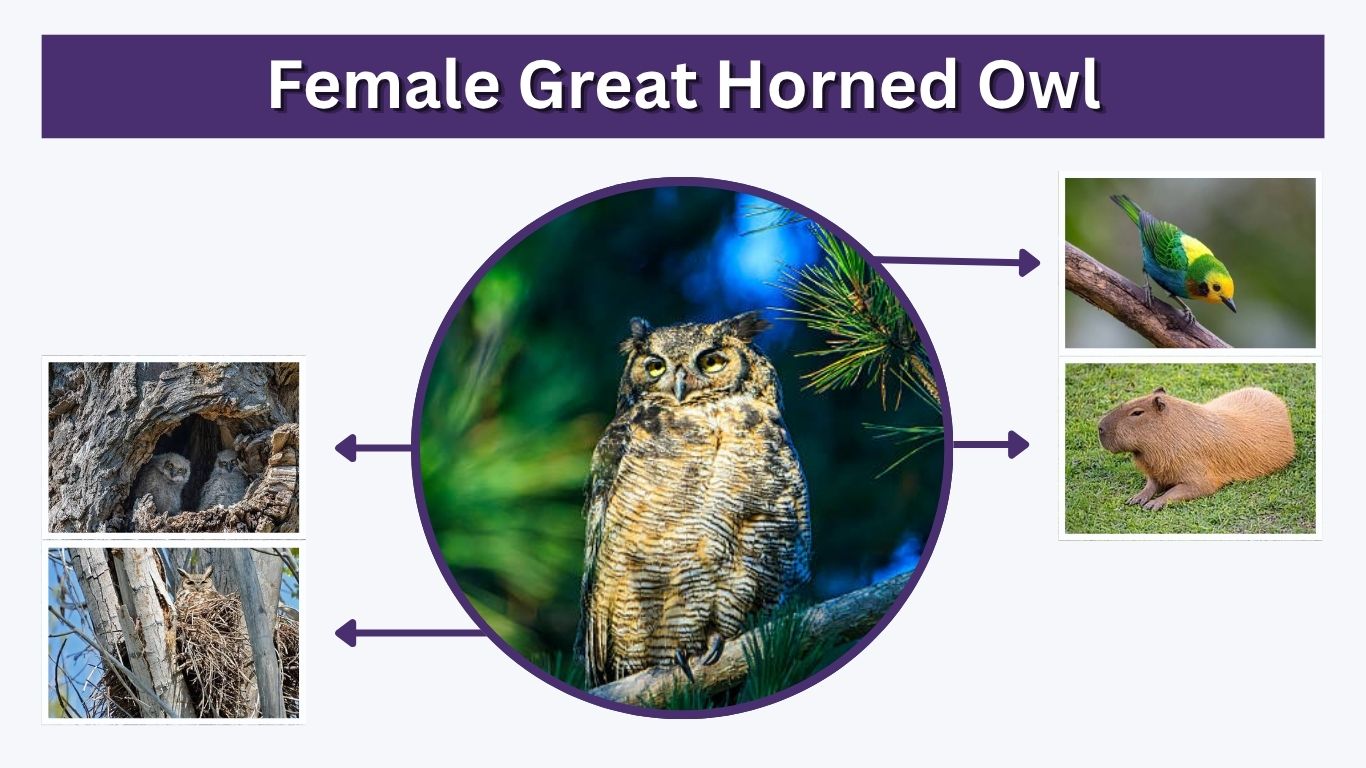
The female great horned owl is a powerful nocturnal predator known for her large size, deep hooting calls, and important role in nesting and raising … Read More
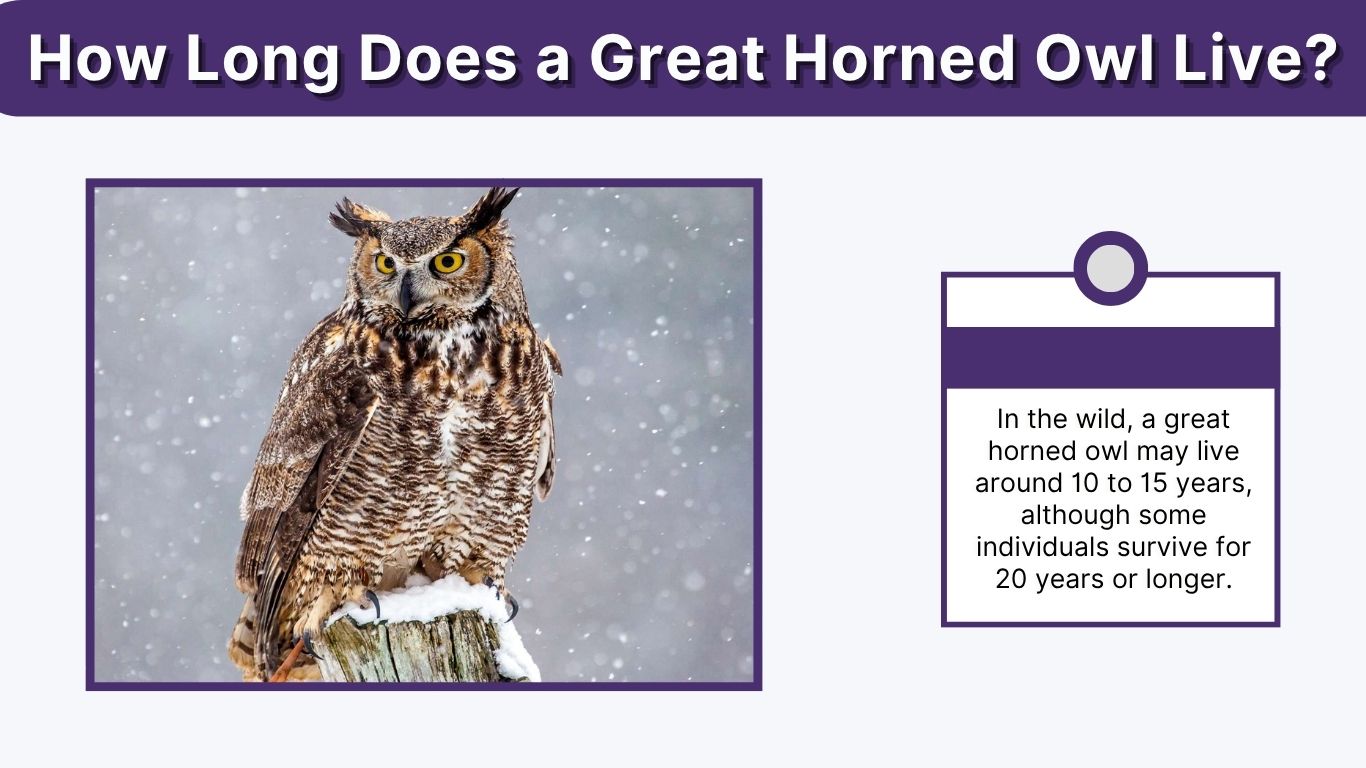
Great horned owls are powerful, adaptable birds of prey found across much of the Americas. Their lifespan depends on whether they live in the wild … Read More