The great horned owl is one of North America’s most powerful and recognizable birds of prey. Famous for its prominent feather tufts, deep hooting voice, enormous yellow eyes, and strong talons, this adaptable owl can survive in forests, deserts, wetlands, suburbs, and even city parks. Great horned owls are skilled nighttime hunters capable of taking surprisingly large prey. From their unusual hearing and silent flight to their nesting habits and family life, these birds have many fascinating characteristics. Here are 15 great horned owl facts worth knowing.
1. Their “Horns” Aren’t Really Horns
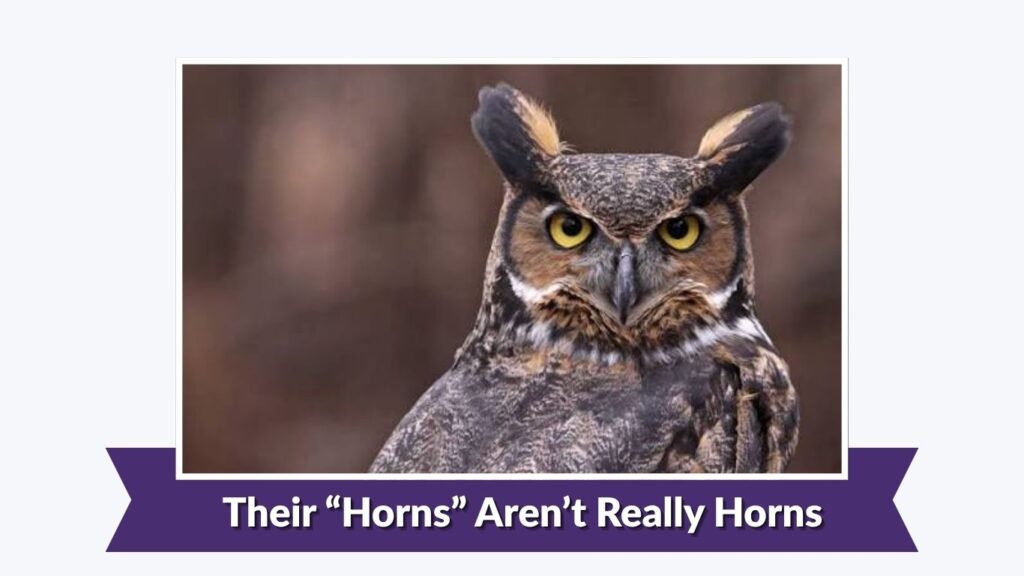
The great horned owl gets its common name from the two prominent tufts of feathers extending upward from its head. These tufts create a horn-like silhouette, especially when the owl is alert.
Despite their appearance, they are neither horns nor ears.
The Tufts Are Called Plumicorns
The feather tufts are often called plumicorns or ear tufts. Scientists do not believe they function as external ears.
Instead, they may help with:
- Camouflage
- Visual communication
- Breaking up the outline of the owl
- Signaling mood or alertness
The owl’s real ear openings are hidden beneath feathers on the sides of its head.
2. Great Horned Owls Have Excellent Hearing
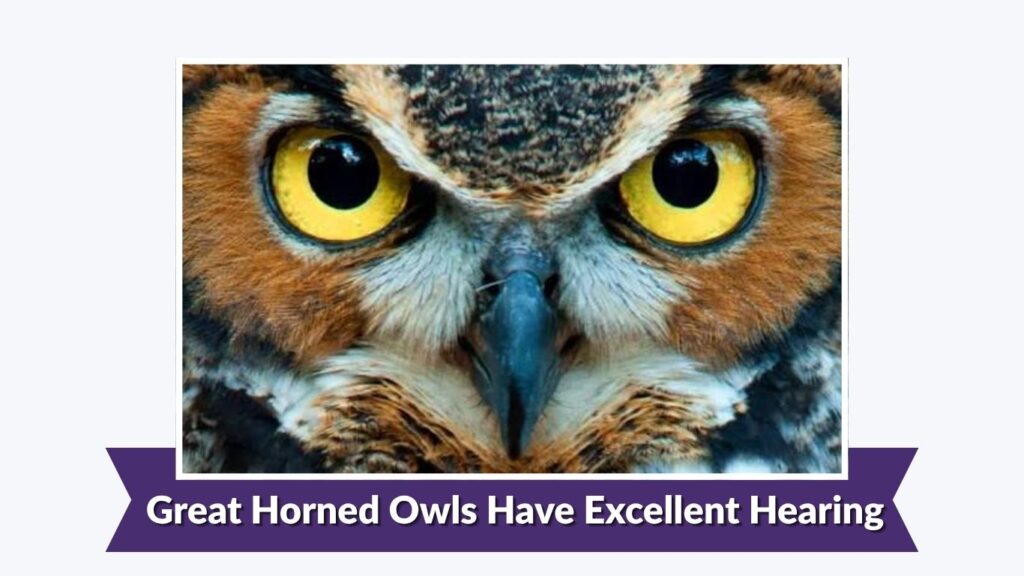
Great horned owls rely heavily on hearing when searching for prey after dark. Their facial feathers help direct sound toward their ears, allowing them to detect small movements in grass, leaves, or snow.
Their hearing works together with excellent low-light vision to make them highly efficient nocturnal hunters.
They Can Locate Hidden Prey
A great horned owl may detect animals that are difficult to see directly.
Small mammals moving through vegetation can produce enough sound for the owl to locate them accurately. The bird may then swoop down suddenly and seize the animal with its talons.
This ability makes darkness much less of an obstacle during hunting.
3. They Can Turn Their Heads About 270 Degrees
One of the most interesting great horned owl facts is their ability to rotate their heads dramatically.
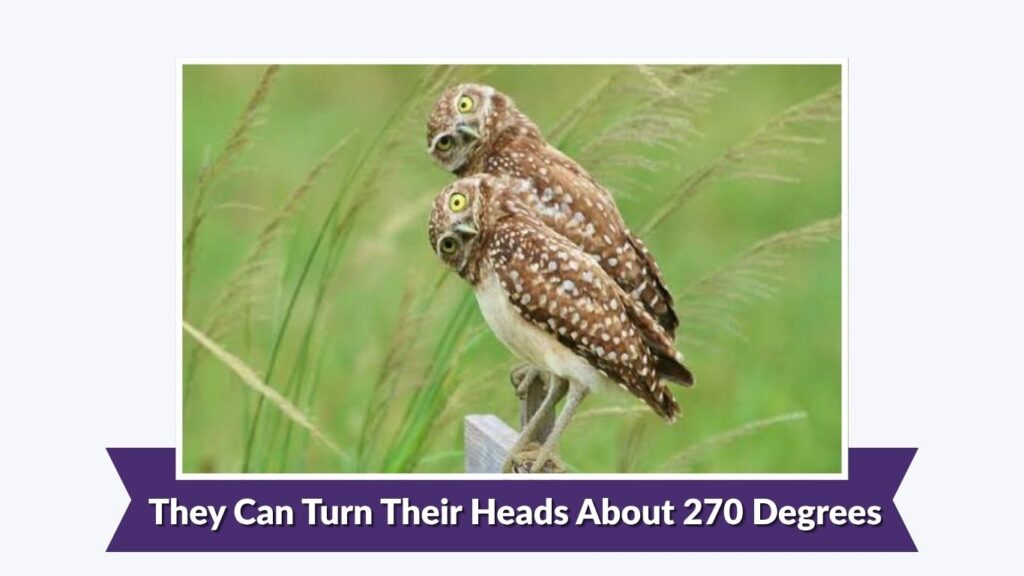
Owls cannot rotate their heads completely around, despite the popular myth. Instead, great horned owls can turn their heads approximately 270 degrees.
Why Do They Turn Their Heads So Far?
Owls have relatively fixed eyes that do not move freely within their sockets as human eyes do.
To change their field of view, they move their entire head.
Their flexible neck contains more vertebrae than a human neck, allowing remarkably wide rotation while specialized blood vessels help maintain circulation.
4. Their Eyes Are Extremely Large
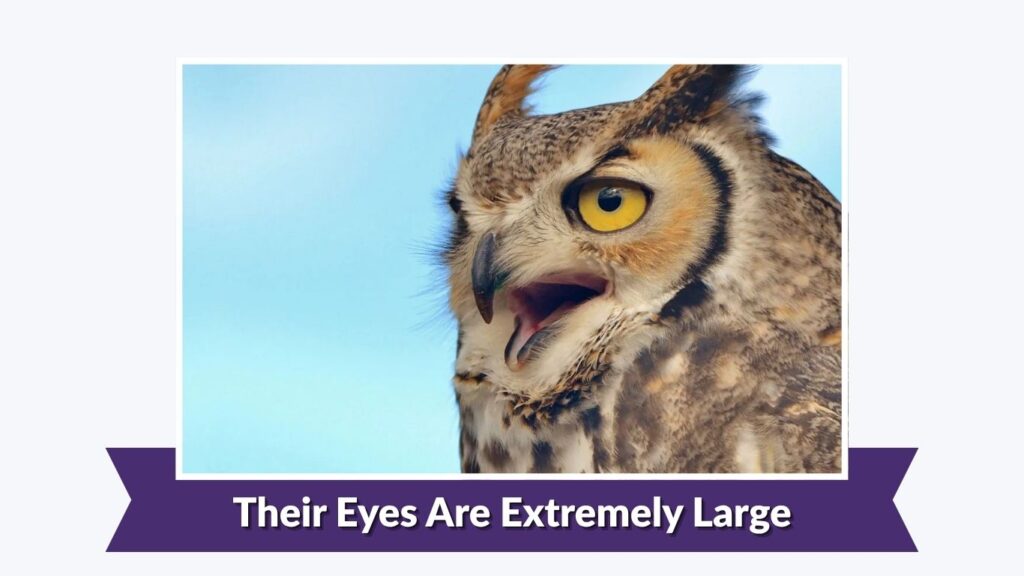
A great horned owl’s large yellow eyes are among its most distinctive features. These oversized eyes collect substantial amounts of available light, helping the owl see effectively during dawn, dusk, and nighttime conditions.
However, owl eyes differ considerably from typical human eyes.
Their Eyes Are More Tube-Shaped
An owl’s eyes are elongated rather than round and are held firmly inside the skull.
This arrangement provides excellent forward-facing vision and depth perception but prevents the owl from moving its eyes significantly from side to side.
That is another reason great horned owls frequently rotate their heads.
5. Great Horned Owls Fly Very Quietly
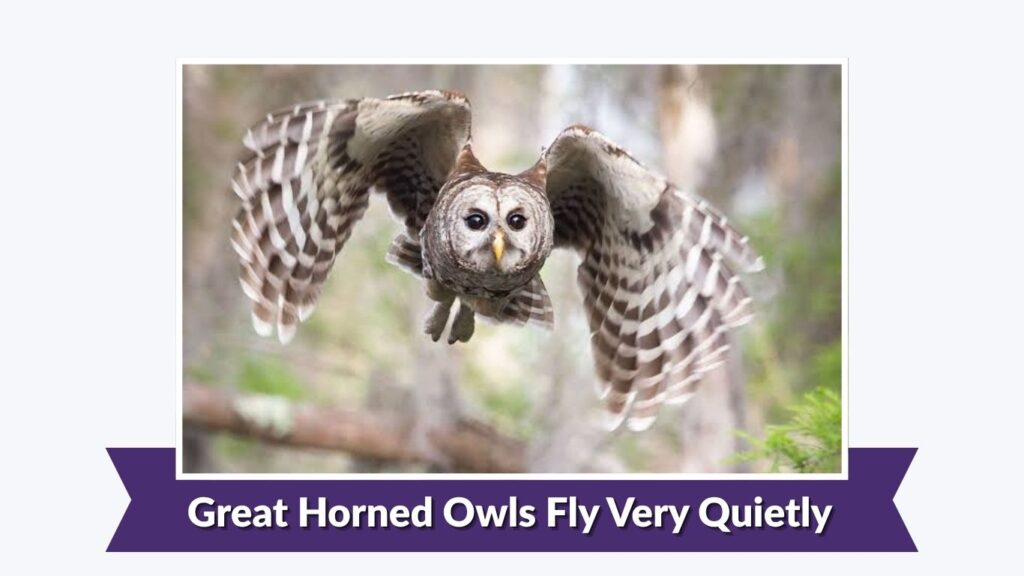
Great horned owls can approach prey with remarkably little sound.
Specialized feather structures reduce the turbulence and noise normally produced as air moves across wings.
Silent flight gives owls an important advantage when hunting animals that depend heavily on hearing.
Their Feathers Are Designed for Stealth
Several characteristics contribute to quieter flight:
- Soft feather surfaces
- Fringed wing edges
- Broad wings
- Slow, controlled wingbeats
These adaptations reduce flight noise enough that a mouse or rabbit may not notice the owl approaching until it is extremely close.
6. They Are Powerful Hunters
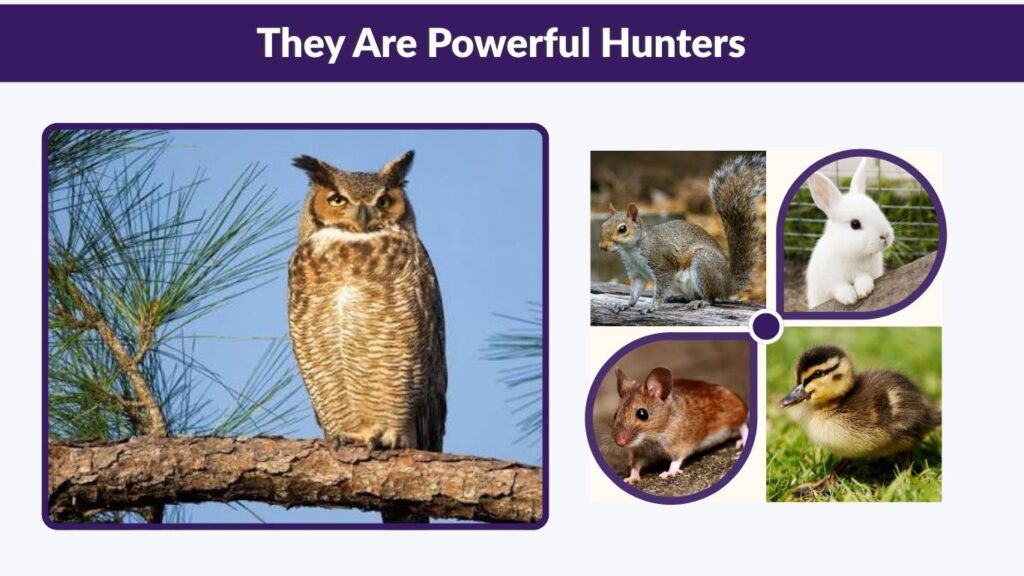
Great horned owls are formidable predators capable of hunting a wide variety of animals. Their strong feet and sharply curved talons allow them to capture prey that can be surprisingly large compared with the owl itself.
They hunt primarily from perches or by flying low through suitable habitat.
What Do Great Horned Owls Eat?
Their diet may include:
- Mice
- Rats
- Rabbits
- Squirrels
- Birds
- Snakes
- Lizards
- Frogs
- Insects
- Skunks
Their willingness to eat many different kinds of prey contributes greatly to their success across different habitats.
7. Great Horned Owls Can Hunt Skunks
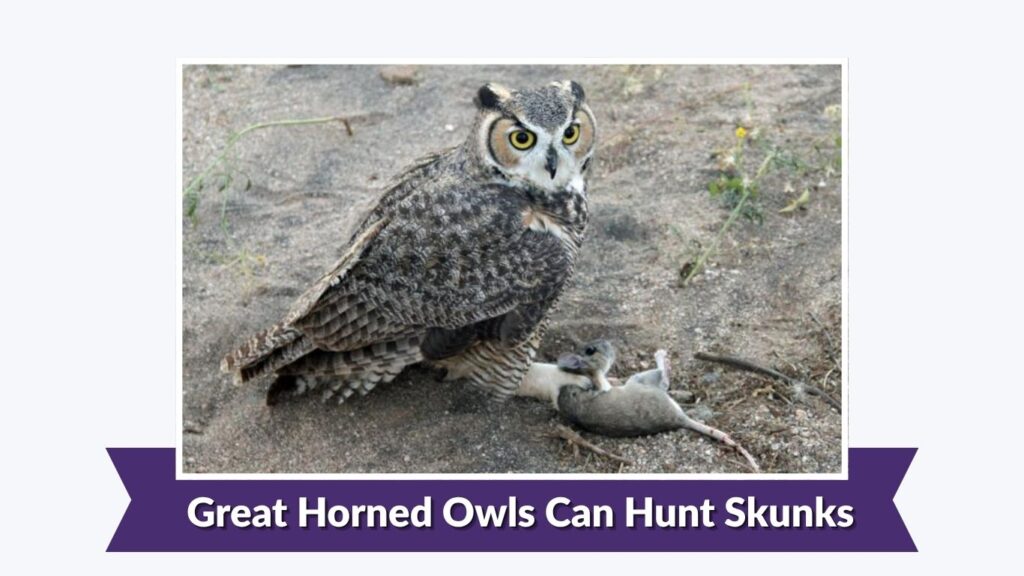
One of the most famous great horned owl facts is that these birds regularly prey upon skunks.
Most predators avoid skunks because of their powerful defensive spray. Great horned owls are less deterred because birds generally have a relatively weak sense of smell compared with many mammals.
Skunks Can Be Significant Prey
A great horned owl may swoop down and kill a skunk with its powerful talons.
Owls that hunt skunks can occasionally smell strongly themselves after an encounter.
Their ability to take animals that many other predators avoid expands the range of food available to them.
8. They Have Extremely Strong Talons
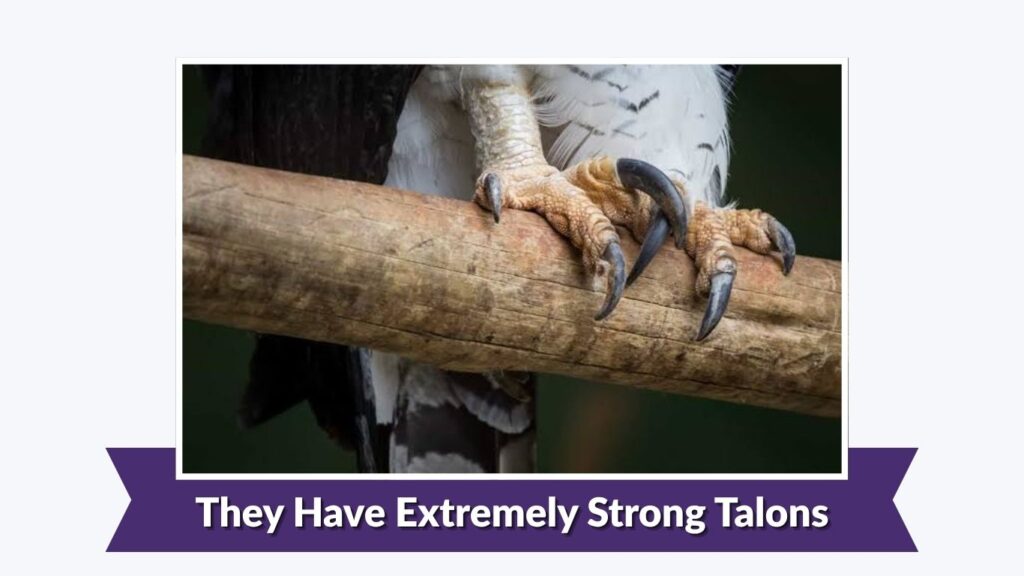
Great horned owls depend on their feet to capture and kill prey.
Their toes end in long, sharp talons capable of producing substantial gripping force. Once prey is caught, escaping can be difficult.
Their Feet Are Major Hunting Weapons
The owl’s powerful feet help it:
- Grab moving mammals
- Capture birds
- Hold struggling prey
- Carry food
- Defend itself
The curved talons penetrate deeply while the toes maintain a strong grip.
Because these birds can be defensive around nests, people should never approach or attempt to handle a wild great horned owl.
9. Great Horned Owls Live in Many Habitats
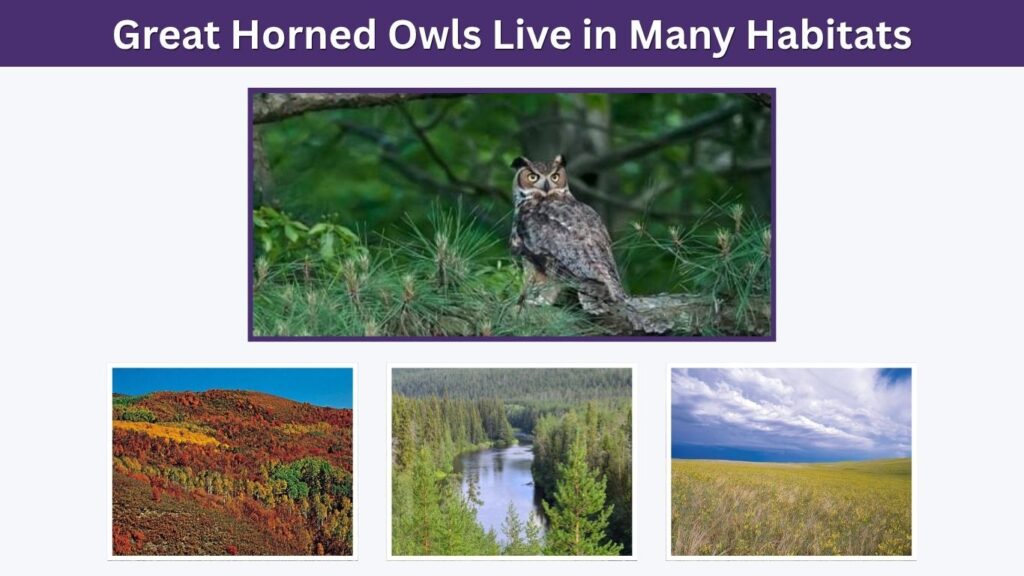
Few large owls are as adaptable as the great horned owl.
They occur across much of North and South America and occupy an impressive range of landscapes. They can survive anywhere that provides suitable nesting areas, perches, and enough prey.
Great Horned Owl Habitat
Habitats can include:
- Deciduous forests
- Coniferous forests
- Deserts
- Grasslands
- Wetlands
- Agricultural areas
- Mountain regions
- Suburban neighborhoods
- City parks
This flexibility allows great horned owls to live surprisingly close to humans.
10. They Usually Do Not Build Their Own Nests
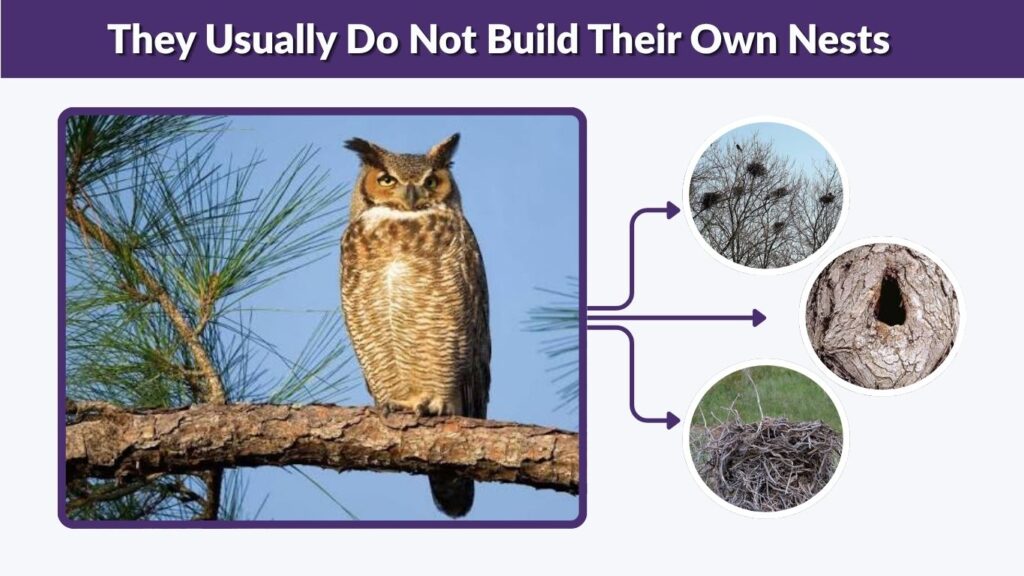
Great horned owls generally avoid constructing elaborate nests themselves.
Instead, they commonly take advantage of structures created by other animals or natural cavities.
Their nesting strategy allows them to begin breeding relatively early in the year.
Where Do Great Horned Owls Nest?
Possible nesting locations include:
- Abandoned hawk nests
- Crow nests
- Large tree cavities
- Cliff ledges
- Broken tree tops
- Caves
- Human-made platforms
Pairs may reuse suitable nesting areas, although individual nest sites can change between seasons.
11. Great Horned Owls Nest Surprisingly Early
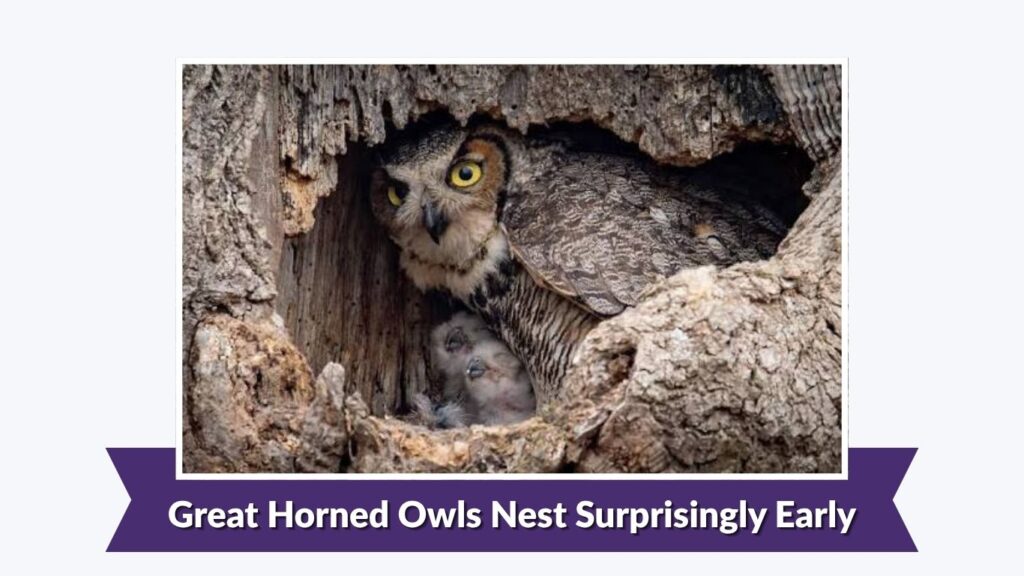
Many great horned owls begin courtship and nesting during winter, much earlier than numerous other North American birds.
Their famous deep hooting calls may become especially noticeable during this period.
Why Do They Nest During Winter?
Starting early gives growing owlets time to develop before the demands of independence.
The female generally performs most incubation while the male provides food.
Great horned owls commonly lay a small clutch of eggs, and incubation lasts roughly one month before the young begin hatching.
12. Baby Great Horned Owls Stay Dependent for Months
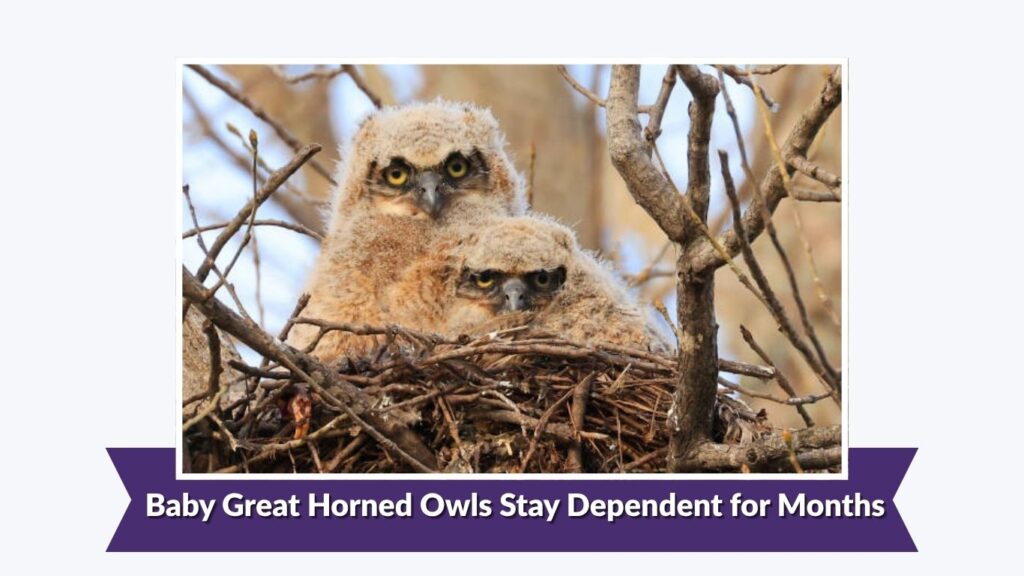
Baby great horned owls are covered in soft pale down when young and depend entirely on their parents for food and protection.
As they grow, their flight feathers gradually develop.
Owlets Leave the Nest Before Becoming Independent
Young great horned owls may leave the nest and move around nearby branches before becoming skilled flyers.
Parents continue providing food after fledging.
During this stage, young owls practice climbing, balancing, flying, and hunting. They can remain dependent on their parents for weeks or even months while developing survival skills.
13. Great Horned Owls Have Excellent Camouflage
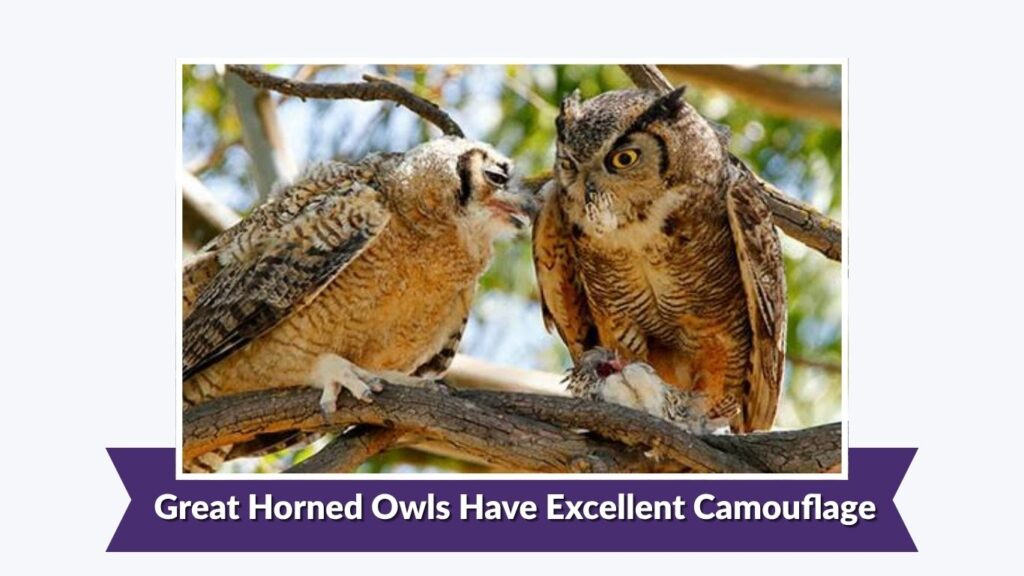
Although great horned owls are large birds, they can be remarkably difficult to see during the day.
Their mottled brown, gray, black, and pale feathers resemble tree bark and shadows.
Their Feather Pattern Helps Them Disappear
Camouflage allows resting owls to blend into:
- Tree trunks
- Broken branches
- Dense foliage
- Rock faces
- Woodland shadows
Their ear tufts may further break up the recognizable outline of their heads.
An owl sitting motionless against a tree can easily go unnoticed even when people are looking directly toward it.
14. Their Hoots Help Establish Territory
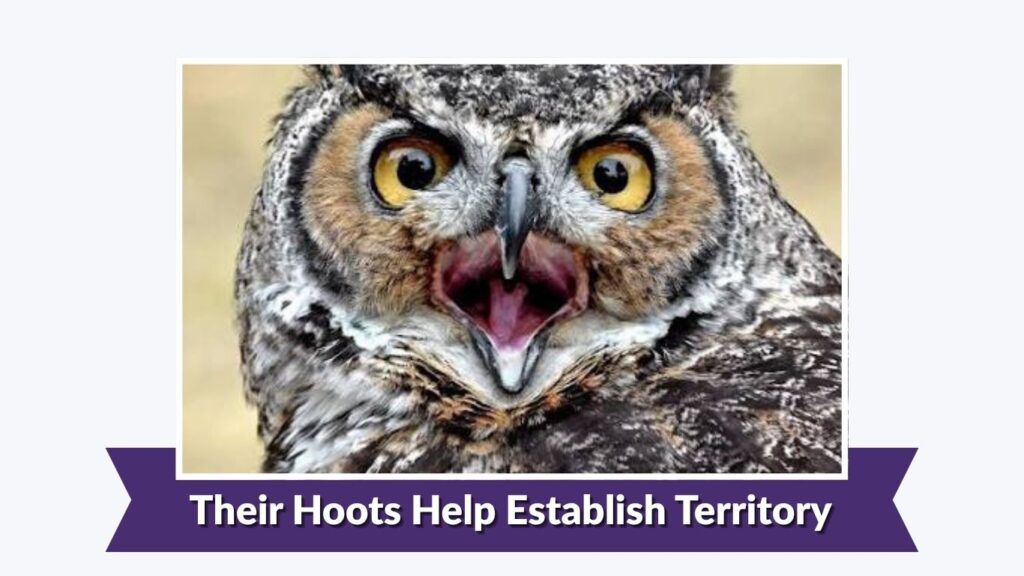
The deep, resonant hooting associated with nighttime forests often belongs to a great horned owl.
Both males and females call, although their voices differ somewhat in pitch.
Great Horned Owls Communicate in Several Ways
Vocalizations can help owls:
- Defend territories
- Communicate with mates
- Strengthen pair bonds
- Warn intruders
- Communicate with young
The classic series of deep hoots may carry considerable distances, particularly during calm nighttime conditions.
Great horned owls can also produce screams, hisses, barks, and other sounds.
15. Great Horned Owls Are Among the Most Adaptable Owls
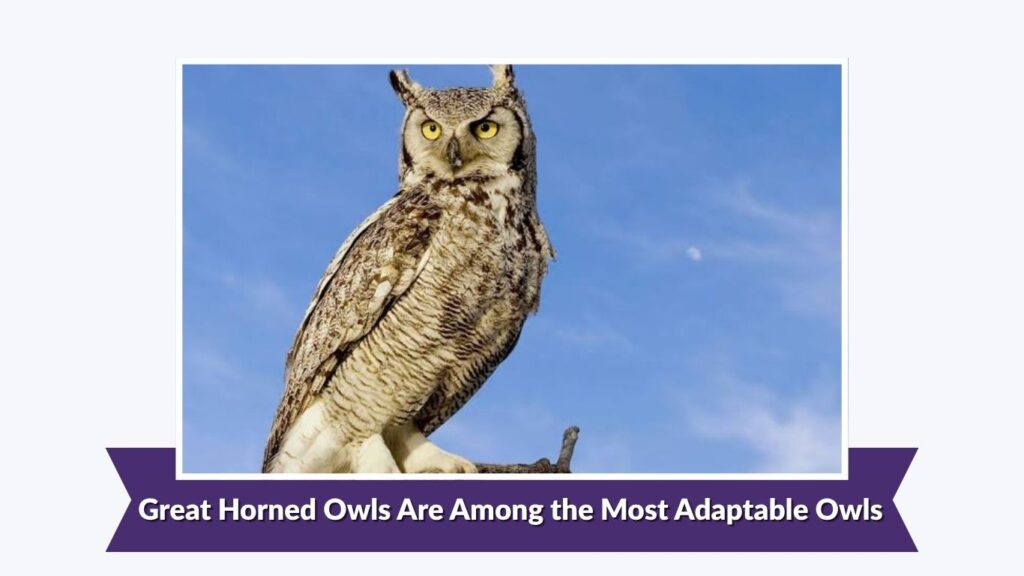
Perhaps the most impressive fact about the great horned owl is how successfully it adapts to different environments.
It can hunt many types of prey, use different nesting sites, tolerate varied climates, and even survive near heavily populated human communities.
Their Adaptability Helps Them Thrive
Several characteristics contribute to their success:
- Broad diet
- Powerful hunting ability
- Excellent camouflage
- Strong territorial behavior
- Flexible habitat preferences
- Ability to use abandoned nests
- Effective nighttime senses
These adaptations have helped the great horned owl become one of the most widespread and familiar large owls in the Americas.
More Interesting Great Horned Owl Facts
Great horned owls combine extraordinary senses, physical strength, and adaptability. Their role as top nocturnal predators also makes them important members of many ecosystems.
Studying these birds reveals just how specialized they are for life after dark.
Great Horned Owl Fast Facts
- Scientific name: Bubo virginianus
- Bird group: True owls
- Activity: Mainly nocturnal
- Diet: Carnivorous
- Main weapons: Powerful feet and talons
- Distribution: Much of the Americas
- Typical habitat: Forests, deserts, wetlands, farmland, and urban areas
- Distinctive feature: Large feather ear tufts
- Eye color: Usually bright yellow
- Young: Called owlets
FAQs
Are Great Horned Owls Dangerous?
Great horned owls generally avoid people, but they have extremely powerful talons and may defend nests or young. Wild owls should always be observed from a respectful distance.
Where Do Great Horned Owls Live?
Great horned owls inhabit much of the Americas. They can live in forests, deserts, wetlands, grasslands, agricultural regions, mountains, suburbs, and urban parks.
What Is the Coolest Fact About a Great Horned Owl?
One remarkable fact is their ability to capture animals as challenging as skunks while flying quietly enough to approach many prey species almost unnoticed.
Can a Great Horned Owl Turn Its Head All the Way Around?
No. A great horned owl cannot rotate its head 360 degrees. It can turn its head approximately 270 degrees, which is still far more than humans can.
What Makes Great Horned Owls Special?
Their combination of powerful talons, excellent hearing, low-light vision, nearly silent flight, broad diet, and ability to survive in many habitats makes the great horned owl one of the most successful nocturnal predators in the Americas.