Are Spotted Owls Endangered? Status, Threats & Conservation
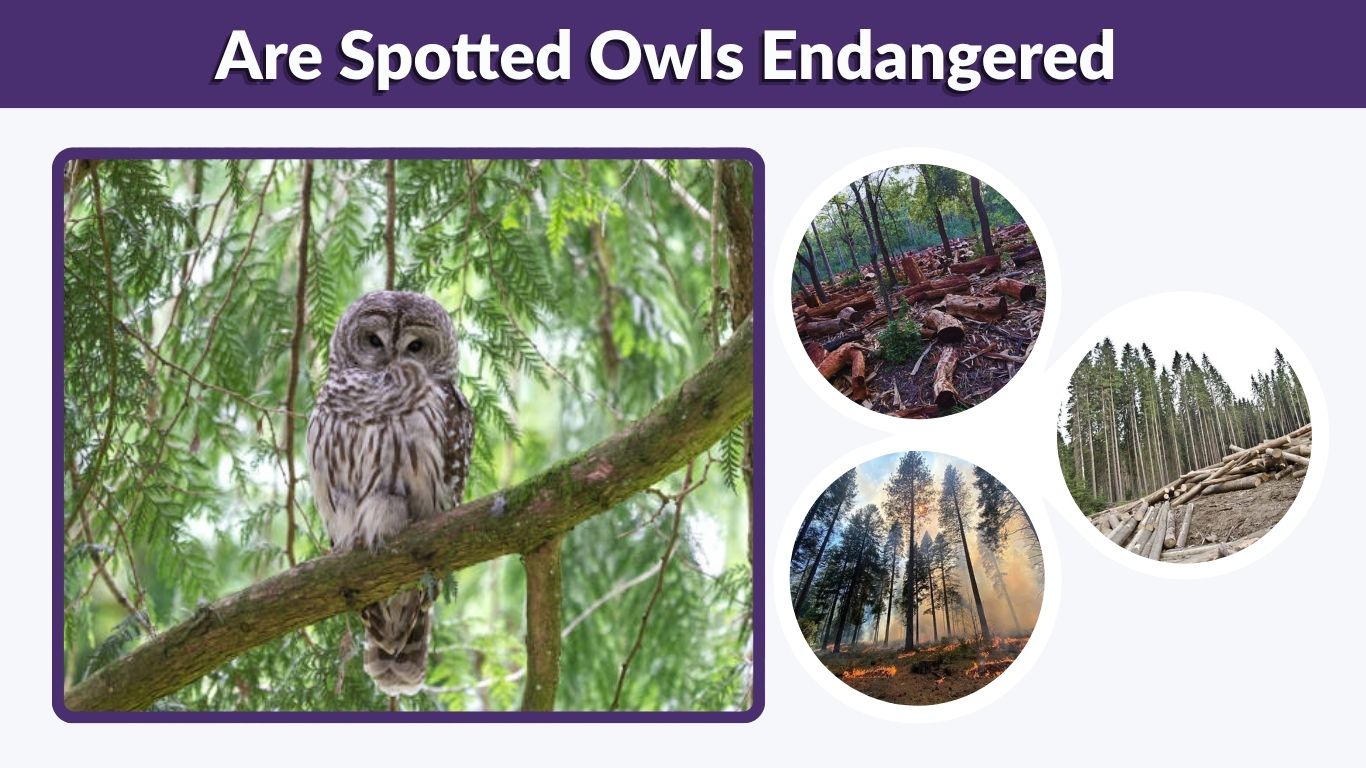
Are spotted owls endangered? The answer depends on which spotted owl population you mean. The spotted owl (Strix occidentalis) has three recognized subspecies: the Northern, … Read More
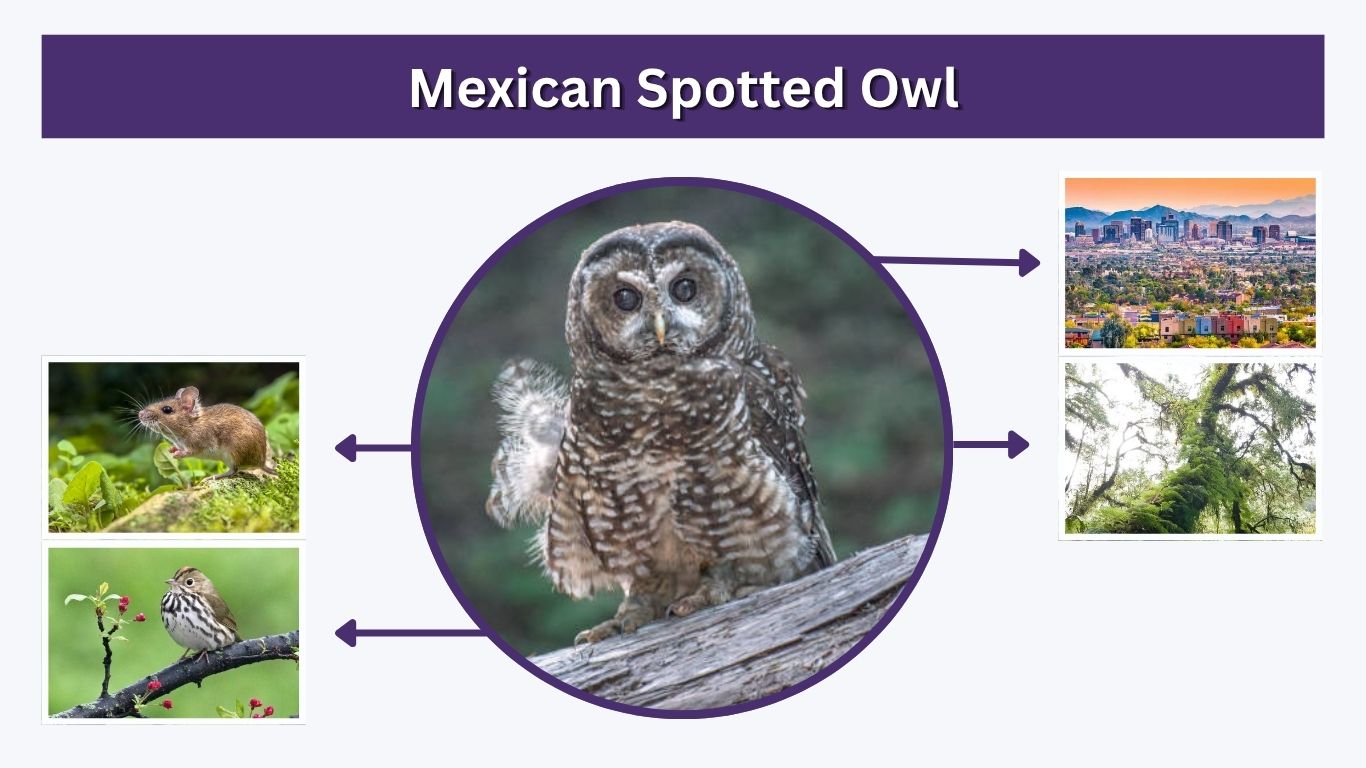
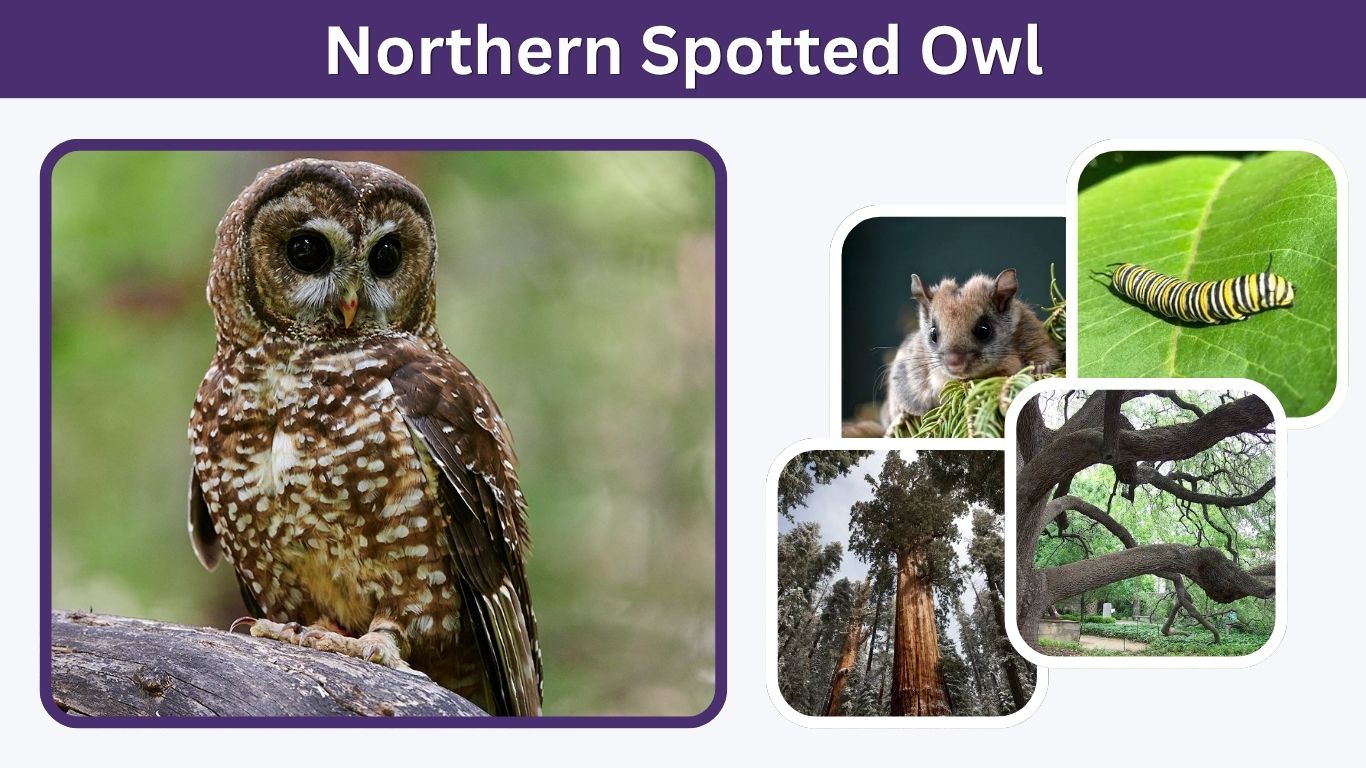
The Mexican spotted owl (Strix occidentalis lucida) is a large, dark-eyed owl of the forests and rocky canyonlands of the southwestern United States and Mexico. … Read More
The northern spotted owl is a secretive forest-dwelling owl native to the Pacific Northwest of North America. Scientifically known as Strix occidentalis caurina, it is … Read More
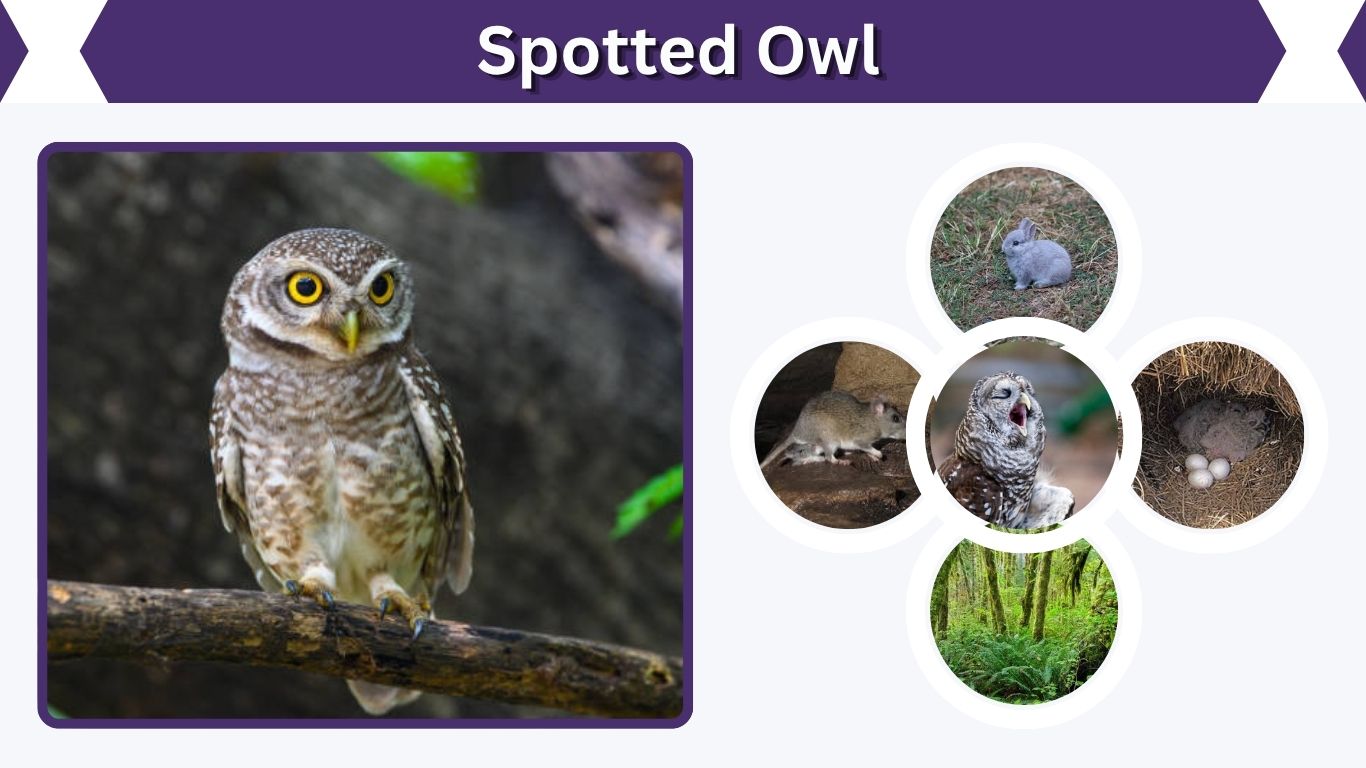
The spotted owl is a secretive forest owl best known for its dark brown plumage covered with pale white spots. Scientifically known as Strix occidentalis, … Read More
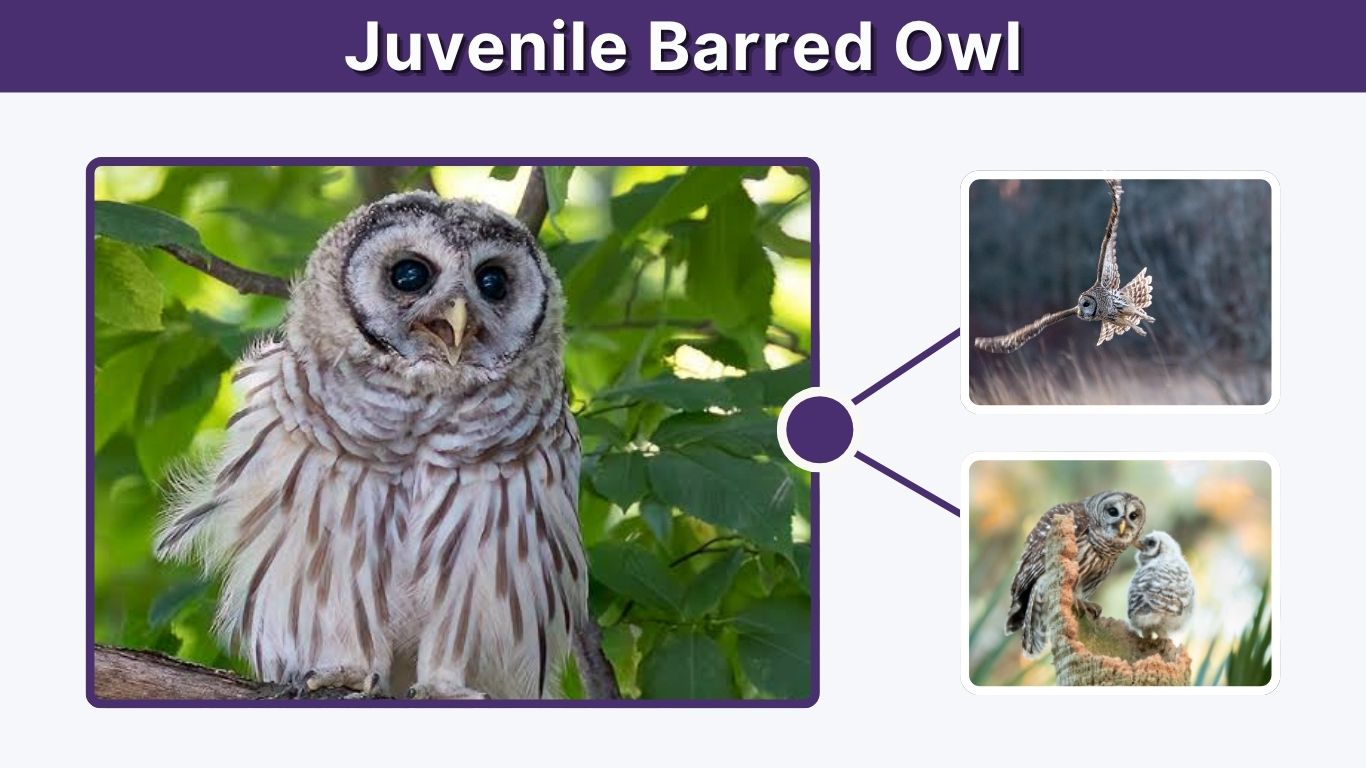
A juvenile Barred Owl (Strix varia) is a young forest owl recognizable by its fluffy gray-brown plumage, large dark eyes, rounded head, and lack of … Read More
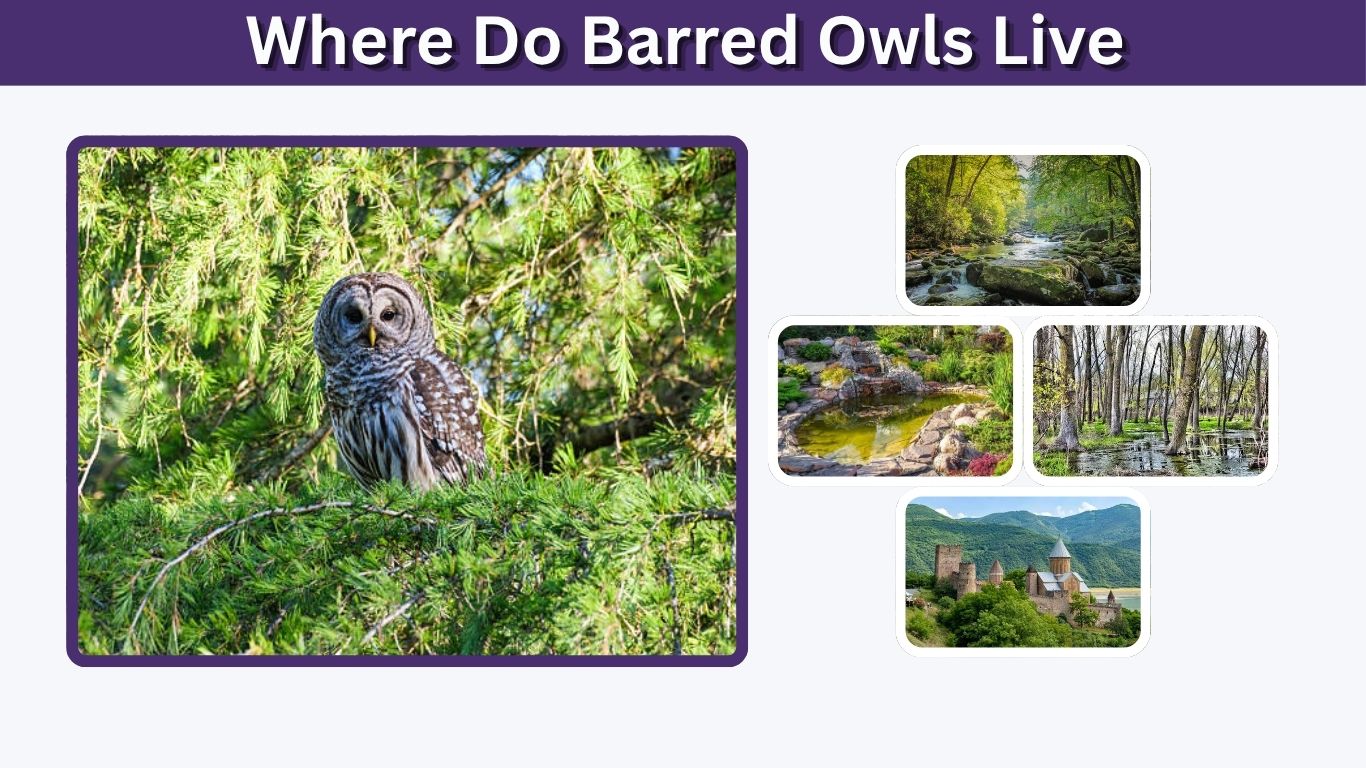
The Barred Owl (Strix varia) is a large woodland owl native to North America. It is most strongly associated with mature forests, wooded swamps, river … Read More
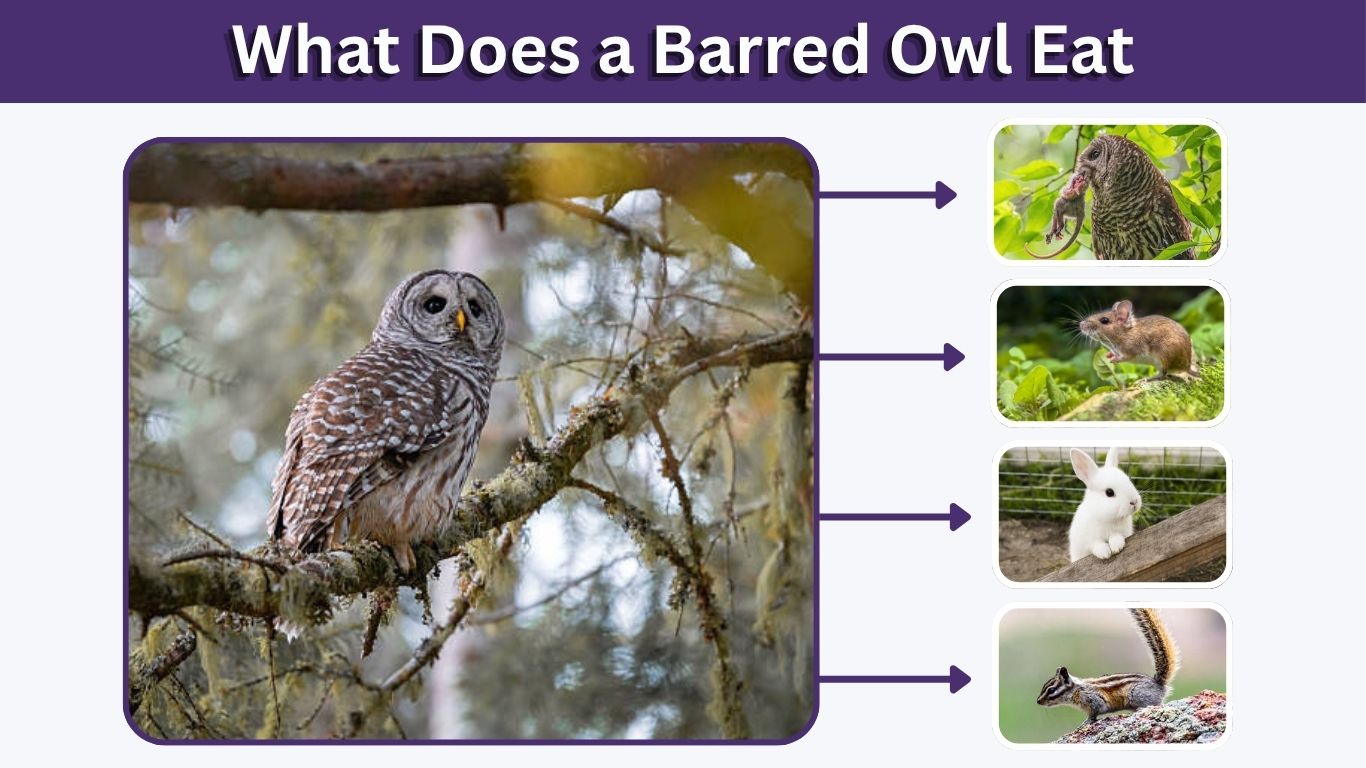
A barred owl eats mainly small mammals, including mice, voles, squirrels, and rabbits. Its diet also includes birds, amphibians, reptiles, fish, crayfish, and insects. This … Read More
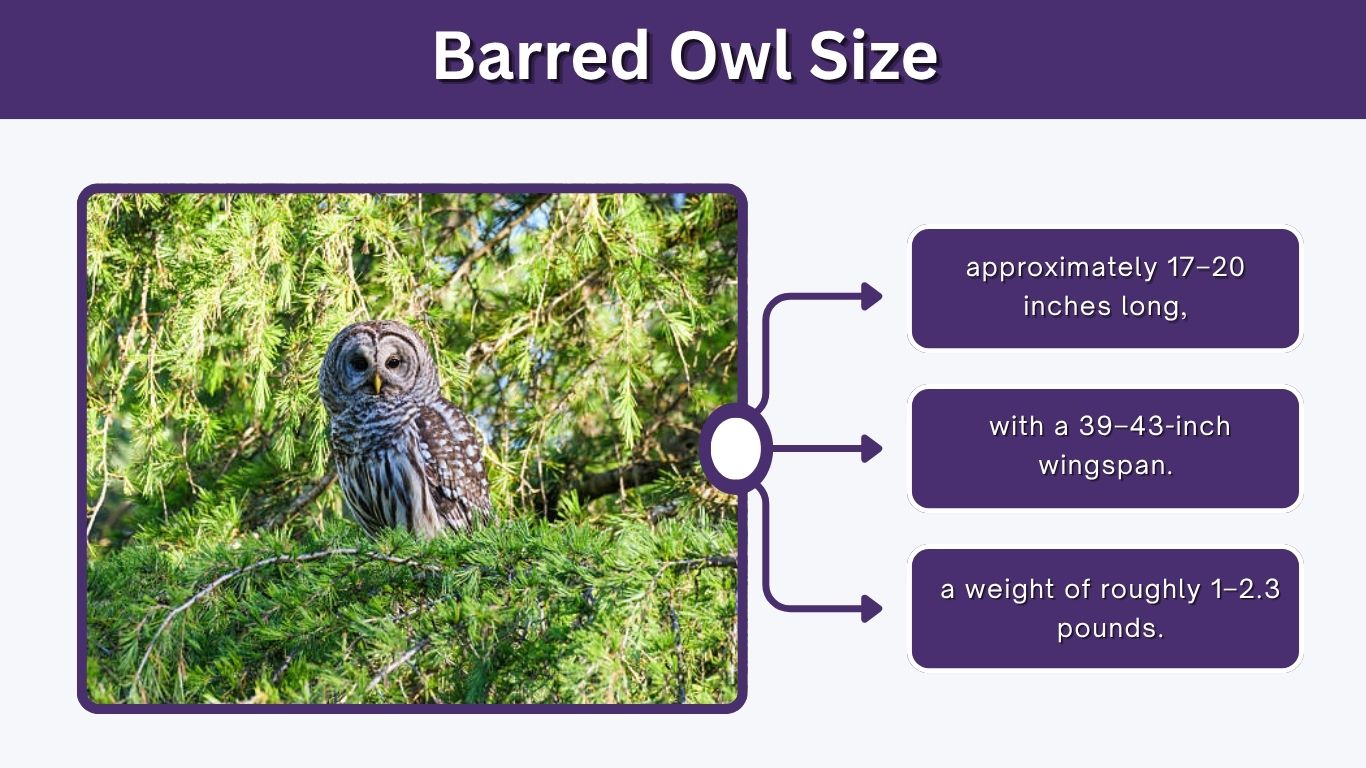
A full-grown barred owl measures approximately 17–20 inches long, with a 39–43-inch wingspan and a weight of roughly 1–2.3 pounds. Its broad wings, rounded head, … Read More
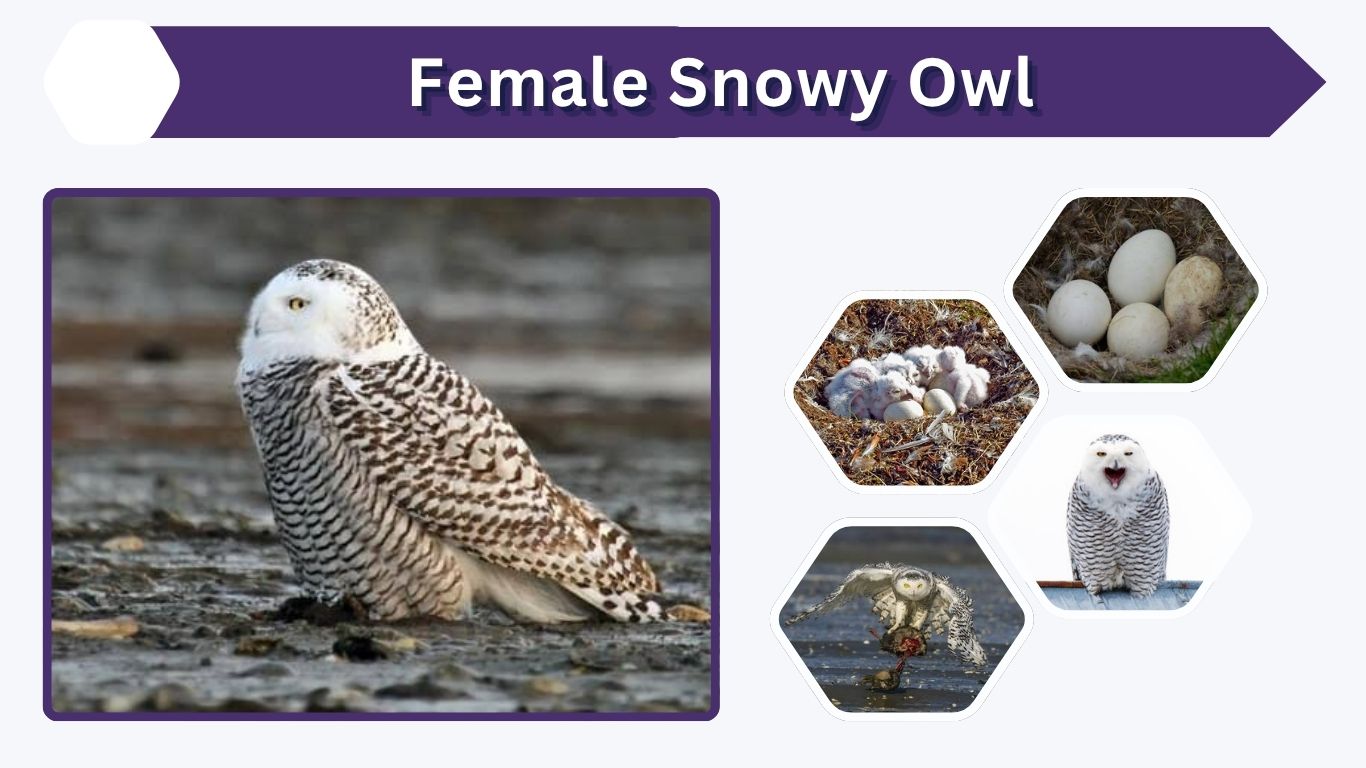
A female snowy owl is a large Arctic predator recognized by her white plumage, dark bars, broad wings, and powerful build. Although males and females … Read More
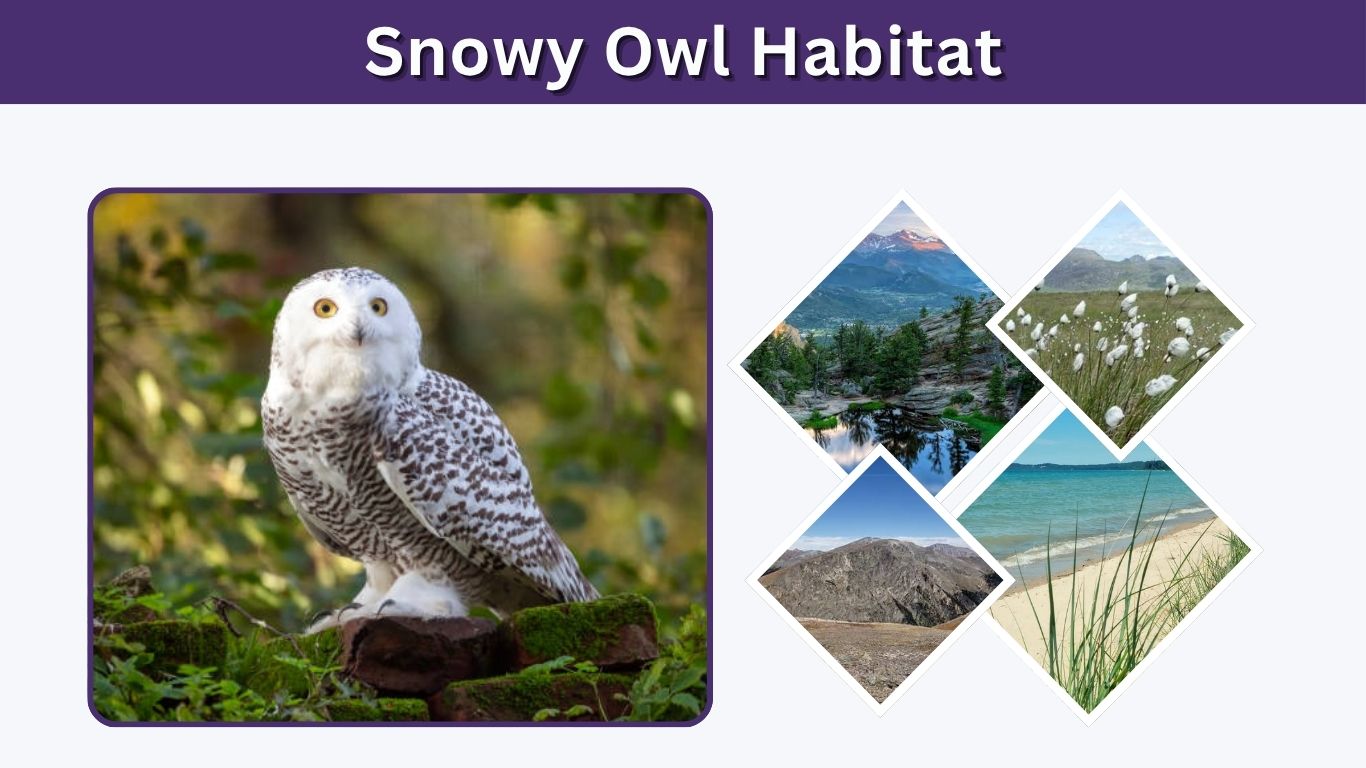
The snowy owl (Bubo scandiacus) lives primarily in the open Arctic tundra, where low vegetation and wide views make it easier to detect lemmings and … Read More